

Discovering Vibrant Indian Temple Architecture
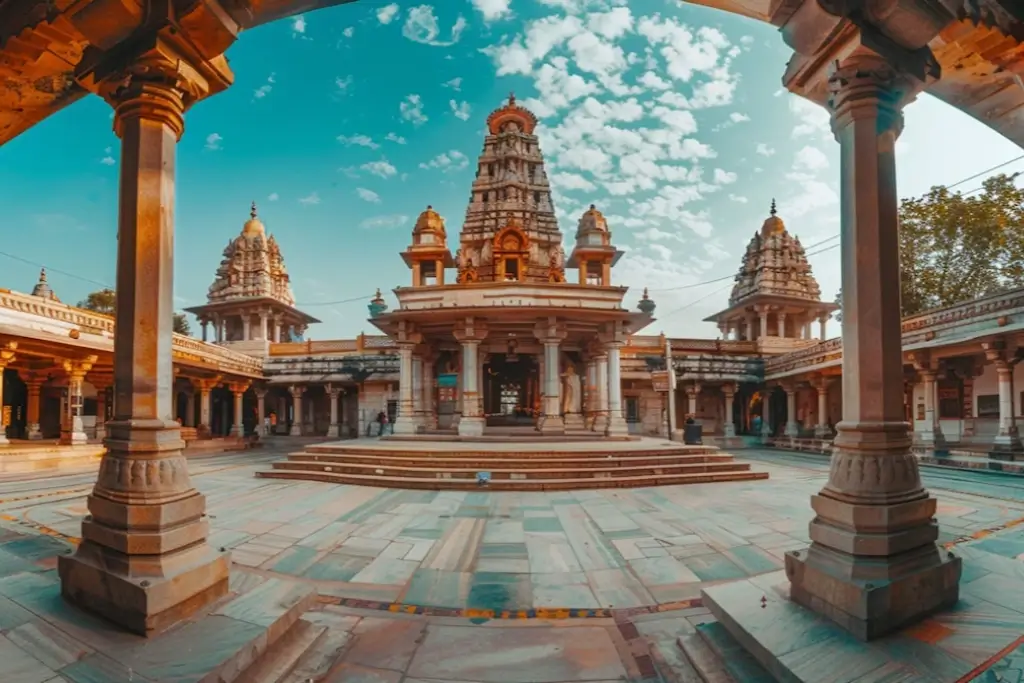
India is home to some of the world’s most breathtaking and spiritually significant temples. Indian temple architecture reflects thousands of years of history, devotion, art, and advanced engineering. From towering stone gopurams to intricately carved sanctums, every temple tells a story rooted in faith and culture.
The Historical Roots of Indian Temple Architecture
The evolution of ancient Indian temples dates back to early civilizations, where temples were not just places of worship but centers of learning, art, and community life. Built using stone, granite, and sandstone, these structures have stood strong for centuries, showcasing exceptional craftsmanship.
Temples were designed according to Vastu Shastra, ensuring harmony between nature, humans, and the divine.
Major Styles of Indian Temple Architecture
India’s diverse geography gave rise to distinct architectural styles:
🛕 Nagara Architecture (North India)
-
Curved towers (Shikhara)
-
Prominent in temples of Rajasthan, Uttar Pradesh, and Madhya Pradesh
-
Example: Khajuraho Temples
🛕 Dravidian Architecture (South India)
-
Pyramid-shaped towers (Vimana)
-
Massive entrance gateways called Gopurams
-
Example: Meenakshi Temple, Brihadeeswarar Temple
🛕 Vesara Style (Central India)
-
Blend of Nagara and Dravidian styles
-
Common in Karnataka and Deccan regions
Symbolism in Temple Design
Every element in Hindu temple design carries symbolic meaning:
-
The Garbhagriha represents the cosmic womb
-
Mandapas serve as gathering spaces
-
Sculptures depict deities, epics, and cosmic energy
These details transform temples into spiritual experiences rather than just architectural marvels.
Intricate Carvings and Sculptures
One of the most captivating aspects of Indian temple carvings is their detail. Walls often narrate stories from the Ramayana, Mahabharata, and Puranas. Floral motifs, celestial beings, and mythological figures bring stone to life.
Why Indian Temple Architecture Continues to Inspire
Even today, architects and historians worldwide study Indian temples for their:
-
Sustainable design
-
Earthquake-resistant structures
-
Timeless artistic value
-
Deep spiritual symbolism
Indian temples remain living monuments where history, devotion, and art come together.
Conclusion
Discovering vibrant Indian temple architecture is a journey through time, spirituality, and creativity. Whether you admire their towering structures or intricate sculptures, these temples reflect India’s rich cultural heritage and enduring faith.
-
Bus, Airlines
-
3 Star Hotel
-
5,416 metres
-
Kathmandu
-
Feb, Mar, Apr & May
-
Eco-Tour, Hiking
-
All meals during the trek
-
English, Spanish, French, Chinese
-
Easy to Moderate
-
2-15
-
12
-
65
Overview
Travel is the movement of people between relatively distant geographical locations, and can involve travel by foot, bicycle, automobile, train, boat, bus, airplane, or other means, with or without luggage, and can be one way or round trip. Travel can also include relatively short stays between successive movements.
The origin of the word “travel” is most likely lost to history. The term “travel” may originate from the Old French word travail, which means ‘work’. According to the Merriam Webster dictionary, the first known use of the word travel was in the 14th century.
Highlights
- Trek to the world-famous Everest Base Camp
- Enjoy the amazing view of the Himalayas from Kala Patthar
- Travel through the Sherpa villages of Namche, Khumjung, Khunde, and Dingboche
- Visit Tengboche the biggest and oldest monastery n the region.