

Enjoy the Spectacular Traditional Architecture
India’s traditional architecture is a magnificent blend of history, culture, and artistic excellence. From ancient temples and royal palaces to historic forts and heritage homes, every structure reflects the deep-rooted traditions and skilled craftsmanship passed down through generations.
A Glimpse into India’s Architectural Heritage
The beauty of Indian traditional architecture lies in its diversity. Each region of India showcases a unique architectural identity shaped by climate, culture, and local materials. Stone carvings, wooden detailing, arches, courtyards, and domes form the foundation of timeless architectural styles that continue to inspire the modern world.
Key Elements of Traditional Architecture
Traditional architectural designs are known for their thoughtful planning and symbolic meaning:
-
Intricate carvings and sculptures
-
Use of natural materials like stone, wood, and clay
-
Open courtyards for ventilation and light
-
Symmetry and geometric precision
-
Spiritual and cultural symbolism
These elements make traditional structures both visually stunning and environmentally sustainable.
Famous Examples of Traditional Architecture in India
India is home to countless architectural wonders:
-
Majestic forts and palaces of Rajasthan
-
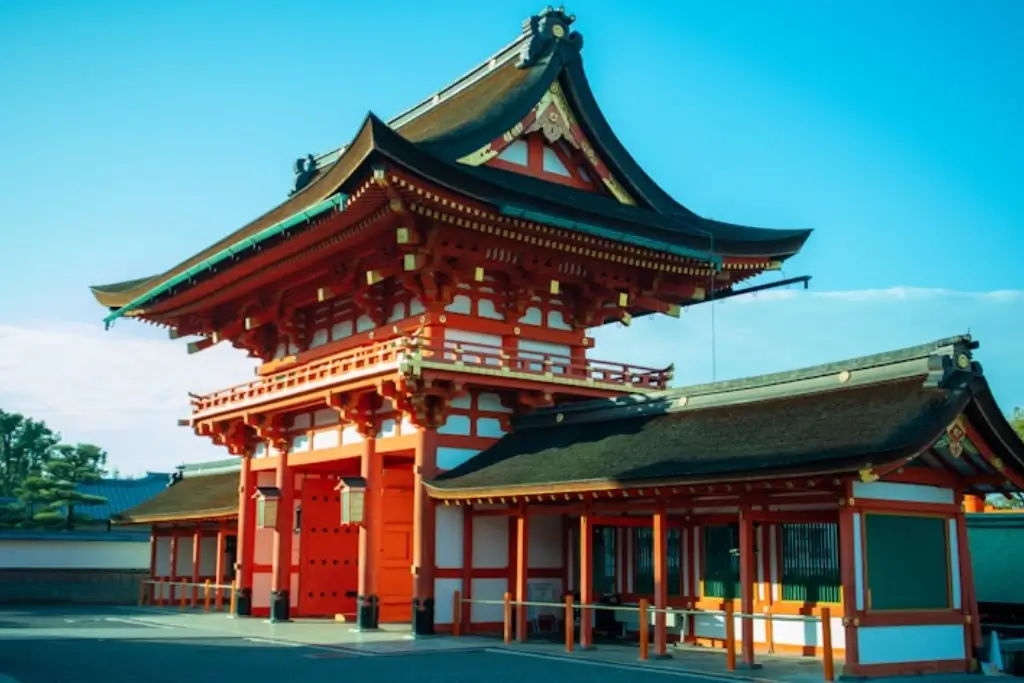
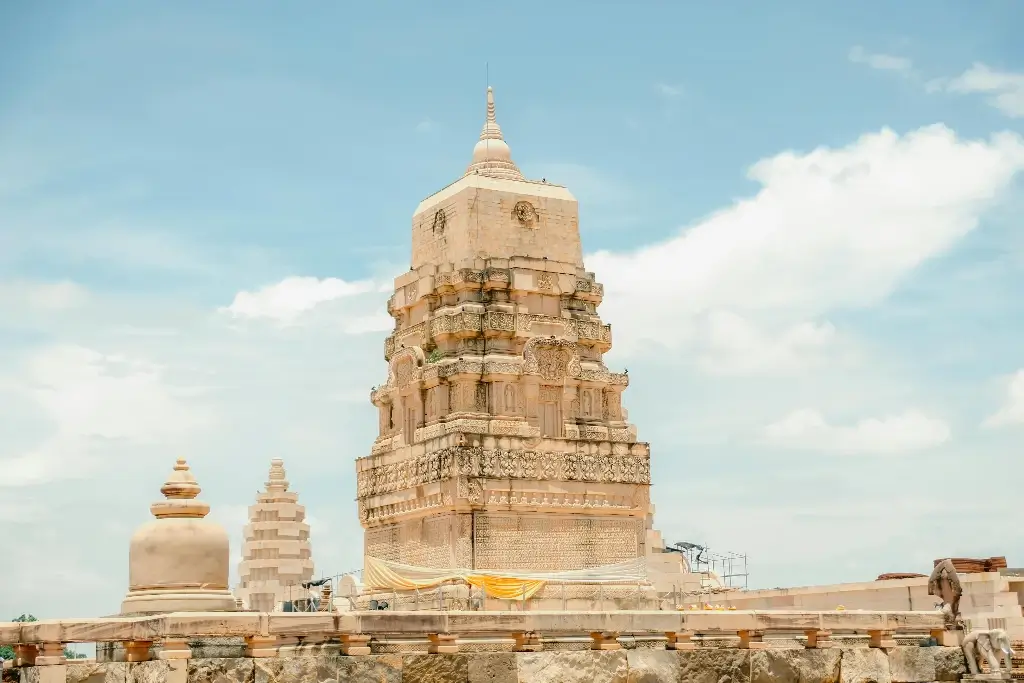
Ancient temple complexes of South and North India
-
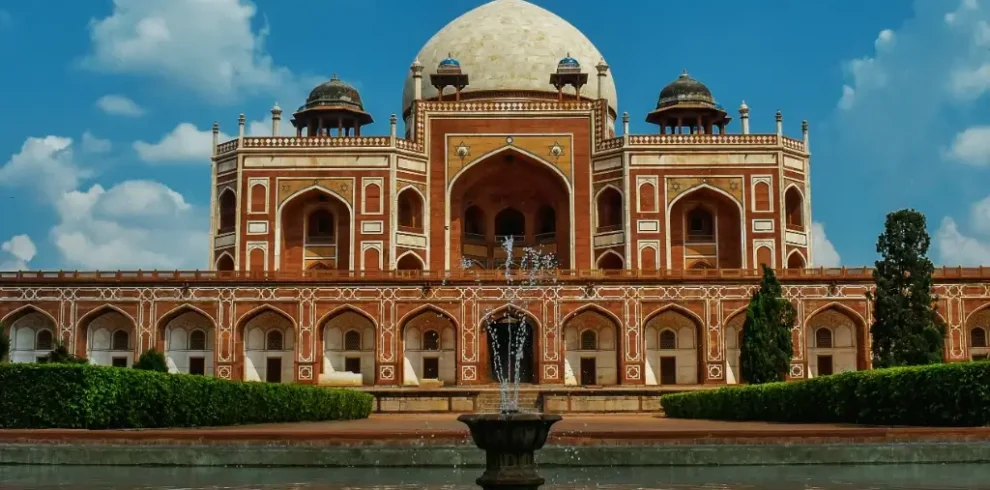
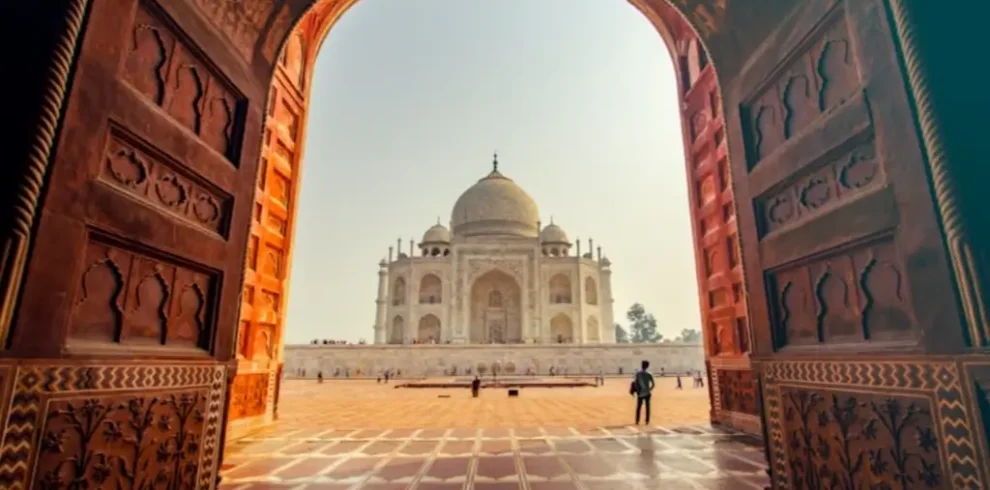
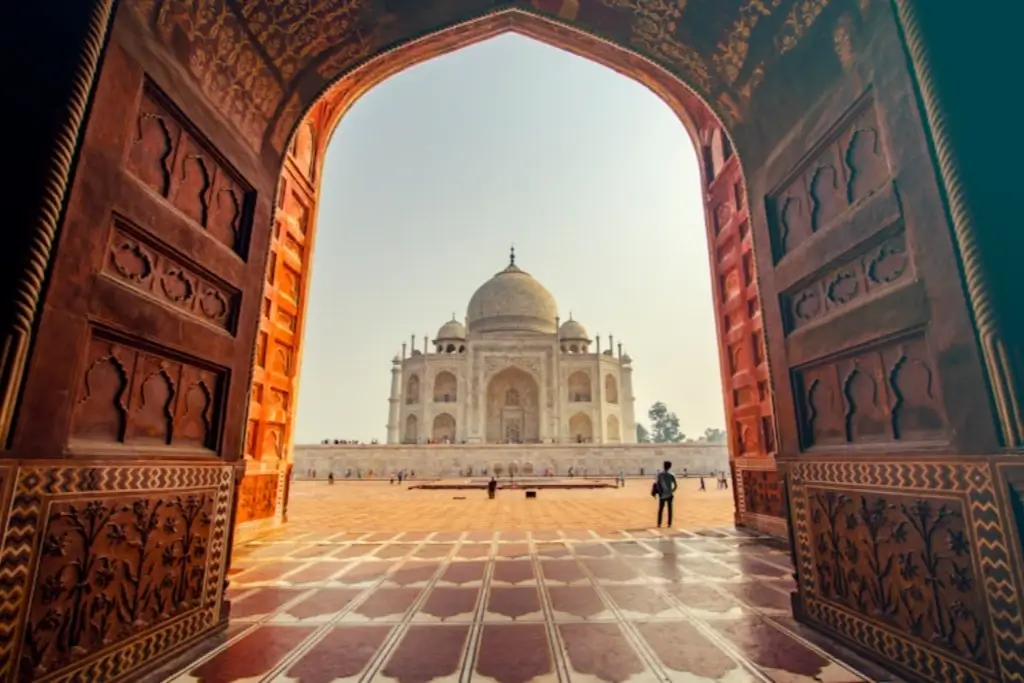
Mughal-era monuments with detailed marble work
-
Heritage villages and stepwells reflecting local life
Each monument tells a story of India’s glorious past.
Why Traditional Architecture Still Matters Today
Even in the modern era, traditional architecture continues to influence contemporary designs. Its focus on sustainability, durability, and cultural identity makes it relevant today. Preserving this heritage helps keep history alive while inspiring future generations.
Conclusion
To enjoy the spectacular traditional architecture of India is to experience the soul of its culture and history. These timeless structures are more than buildings—they are living expressions of art, tradition, and human creativity.
-
Bus, Airlines
-
3 Star Hotel
-
5,416 metres
-
Kathmandu
-
Feb, Mar, Apr & May
-
Eco-Tour, Hiking
-
All meals during the trek
-
English, Spanish, French, Chinese
-
Easy to Moderate
-
2-15
-
12
-
65
Overview
Travel is the movement of people between relatively distant geographical locations, and can involve travel by foot, bicycle, automobile, train, boat, bus, airplane, or other means, with or without luggage, and can be one way or round trip. Travel can also include relatively short stays between successive movements.
The origin of the word “travel” is most likely lost to history. The term “travel” may originate from the Old French word travail, which means ‘work’. According to the Merriam Webster dictionary, the first known use of the word travel was in the 14th century.
Highlights
- Trek to the world-famous Everest Base Camp
- Enjoy the amazing view of the Himalayas from Kala Patthar
- Travel through the Sherpa villages of Namche, Khumjung, Khunde, and Dingboche
- Visit Tengboche the biggest and oldest monastery n the region.